































|
|
 |
 |







Collections of the Era in the Film, Photo, and Sound Documentation Archive
- Details
- Created on Friday, 05 December 2025 15:53
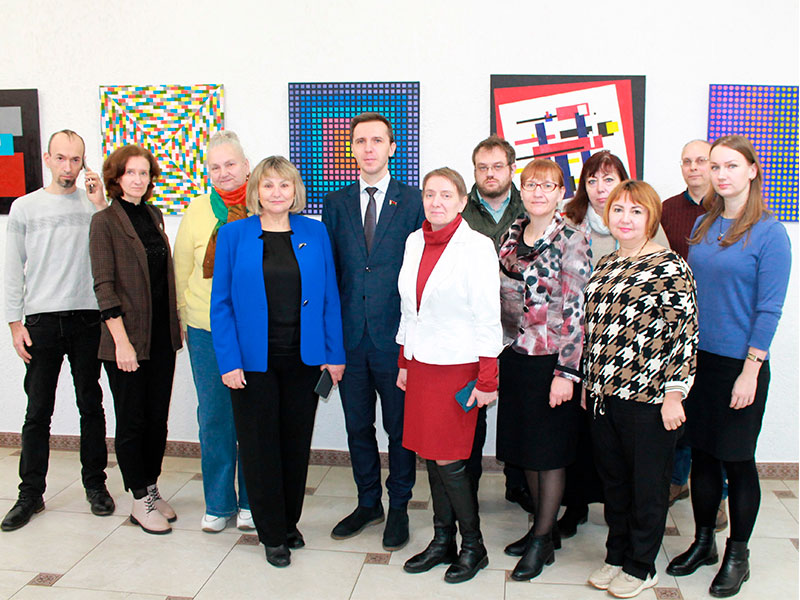
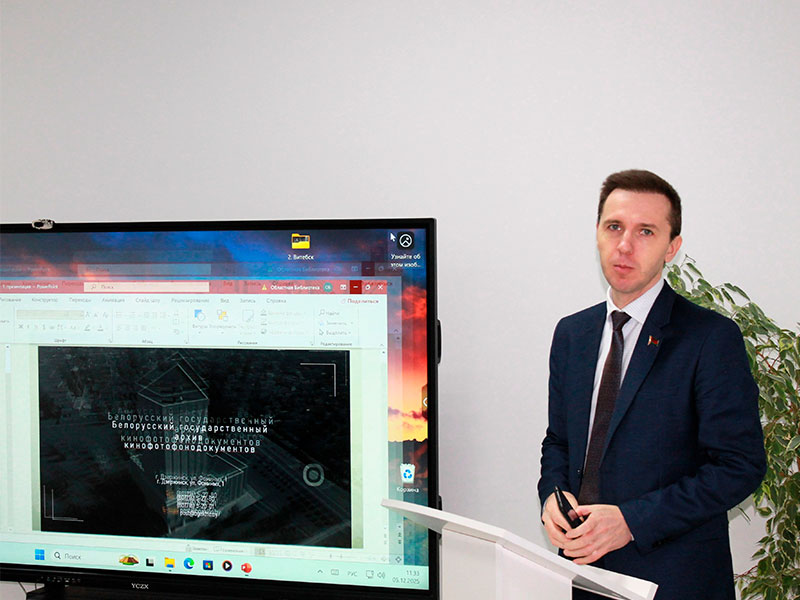
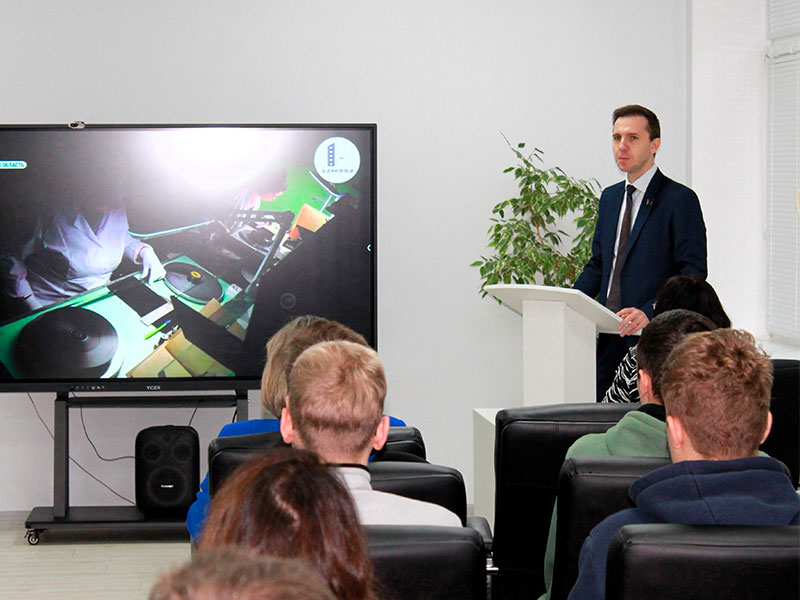
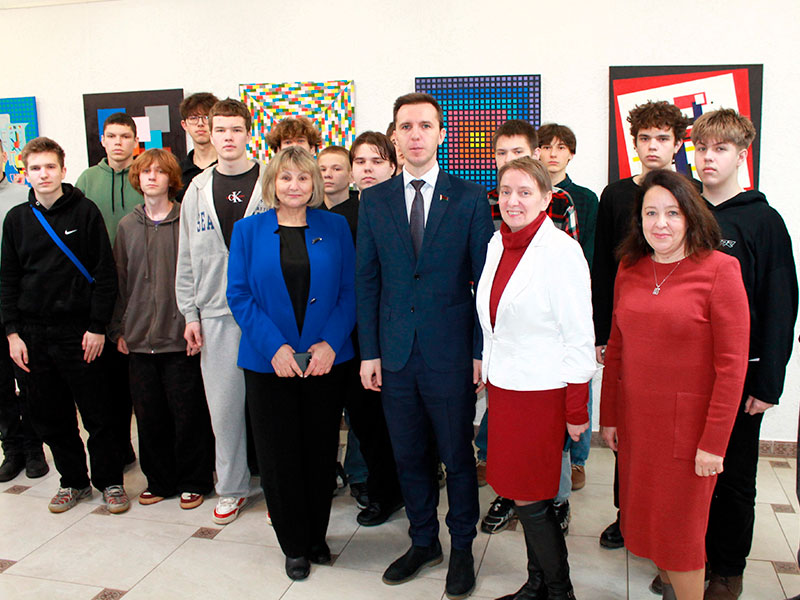
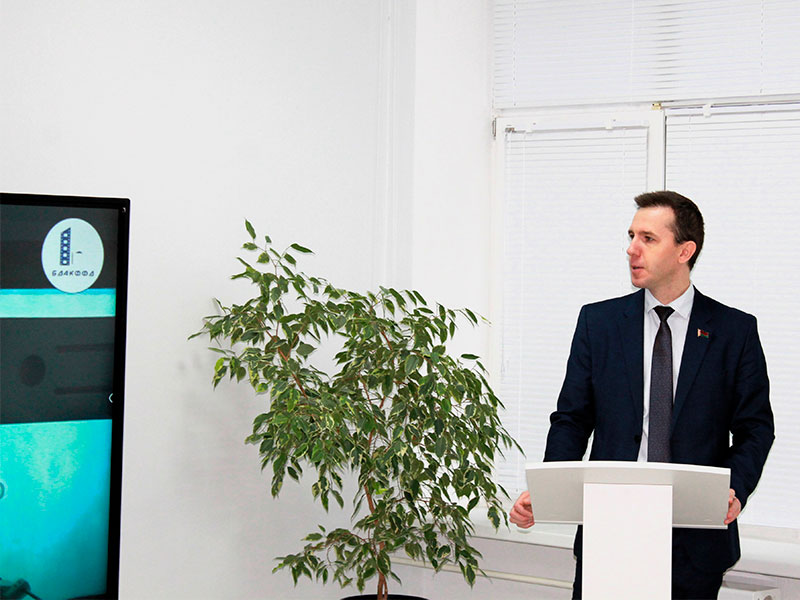
A meeting with Andrei Gonchar, Director of the Belarusian State Film, Photo, and Sound Documentation Archive, took place on December 5 at the regional library.
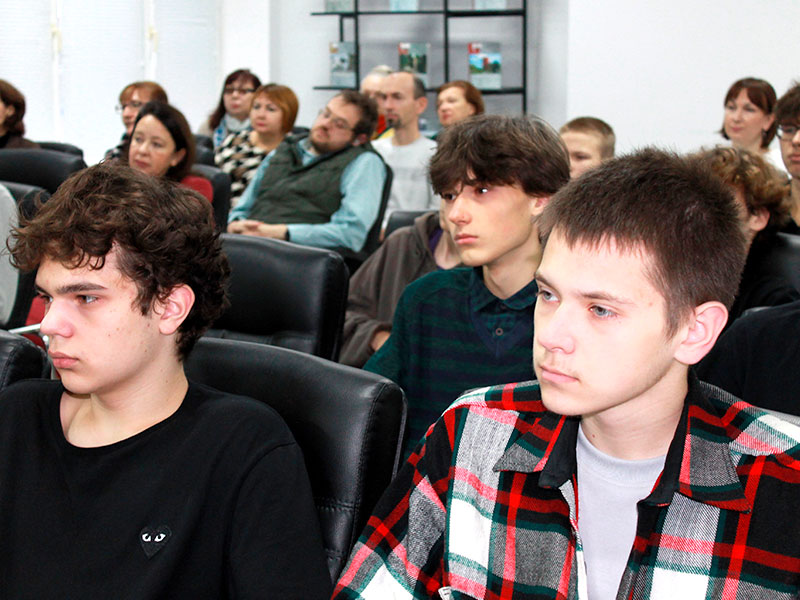
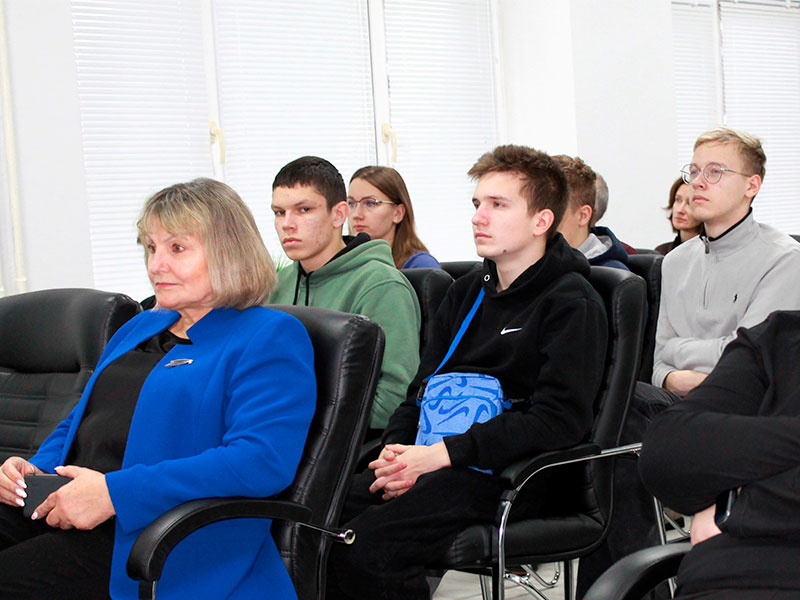
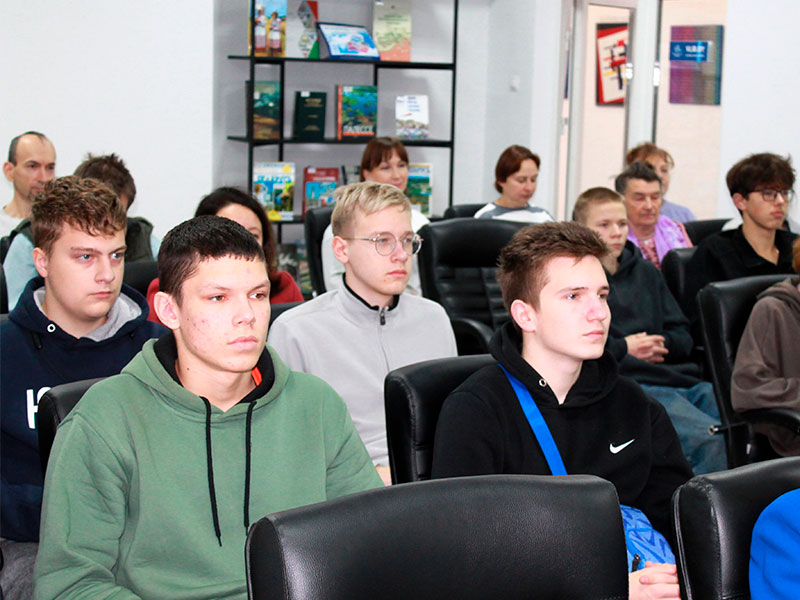
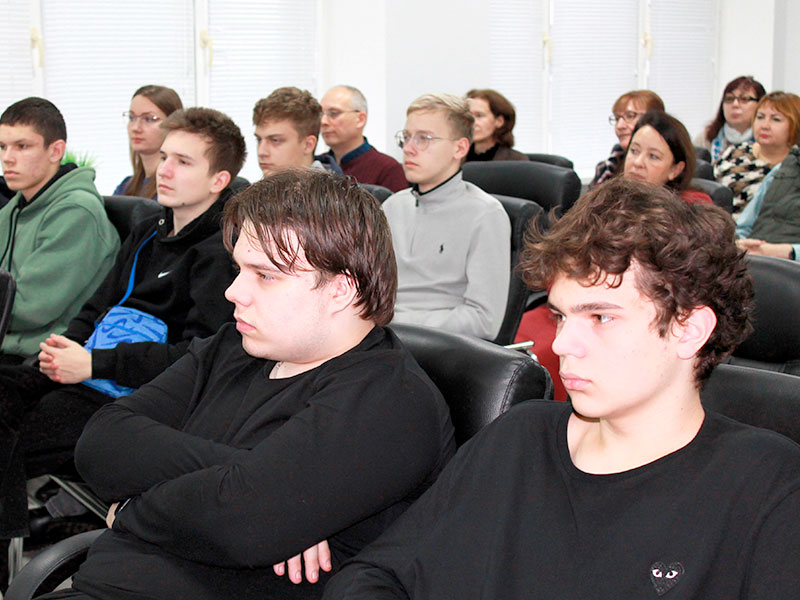
Students from the Vitebsk State College of Electrical Engineering, staff of the State Archive of the Vitebsk Region, and library patrons were introduced to the republic's only repository of audiovisual documents and one of the largest collections of unique film, photo, and sound documents, which provide invaluable evidence of significant events in the history of Belarus since the late 19th century.
The archive's history began on March 29, 1941, with the establishment of the Central State Film, Photo, and Sound Documentation Archive of the BSSR. Its main activities began after the liberation of the republic from Nazi invaders. A significant part of the collection consists of a voluminous archive of significant documents from the BSSR era, when special attention was paid to archiving and preserving materials covering historical events. In 1986, a separate building for the archive was constructed in Dzerzhinsk. Special storage conditions are primarily related to the safety of the film stock. Today, creating digital copies of each film, photo, and audio document not only preserves them but also significantly expands access to the information contained within. This is accomplished by producing copies with careful color and audio correction, adjustments, and/or repairs of physical damage.
Andrei G. explained that the archive's collection contains over 500 films about Vitebsk. Some excerpts from these were shown to the meeting guests. In particular, a 1970 film about the city's development, using newsreels from the early 20th century, shows footage of the city streets on November 7, 1918, along which residents walk with banners designed by Marc Chagall. The chronicle documents the beginnings of such enterprises as the Znamya Industrializatsii factory, the new KIM hosiery mill, a flax spinning mill, and the USSR's only eyeglass factory. Participants also witnessed the development of the Markovshchina district, including the construction of new residential buildings, a school, and a bathhouse.
Andrey Gonchar also shared interesting facts about the unique exhibits housed in the archive. For example, an undated photograph of two elegant women has been identified, though experts have determined that it was taken in the mid-1860s. Of particular interest is a vinyl record of the waltz «Krakowiak», dated 1905.
To provide a more detailed overview of the archive's collection, a YouTube channel has been created, where staff members discuss the collections, post chronicles, and show videos. Joint projects with the Belarusian Television and Radio Company (Belteleradiokompaniya) play an important role, broadcasting newsreel selections that reflect current events, memorable dates, and relevant topics.
Andrei Gonchar encouraged all meeting participants to strive to ensure that their personal and professional achievements and successes are documented in various media formats and become part of the film, photo, and audio archive as evidence of the historical and cultural development of Belarusian society.