





























|
|
 |
 |
Visit of Primary School Teachers from Educational Institutions of Vitebsk Region
- Details
- Created on Friday, 15 May 2026 12:42
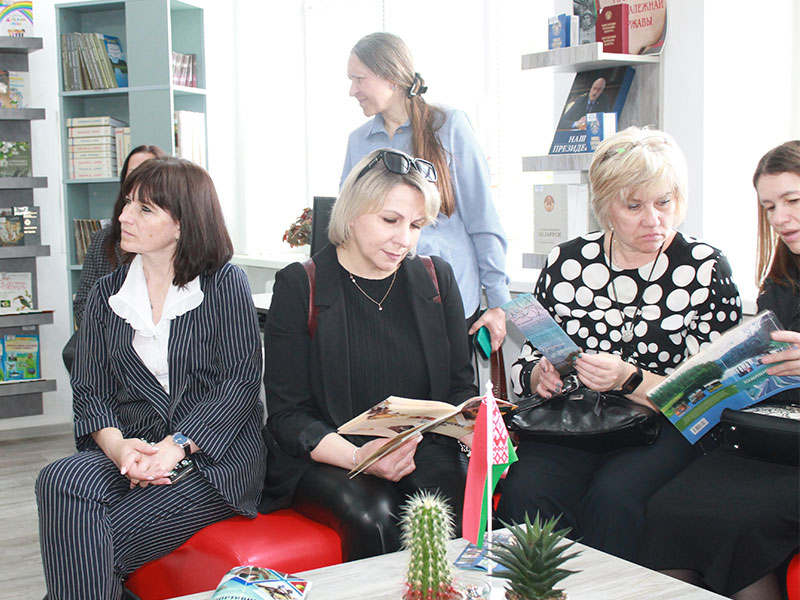
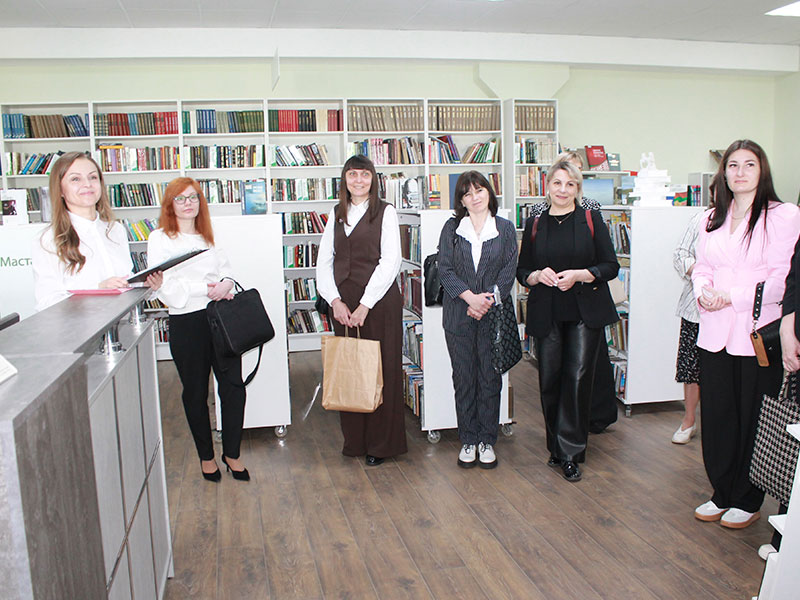
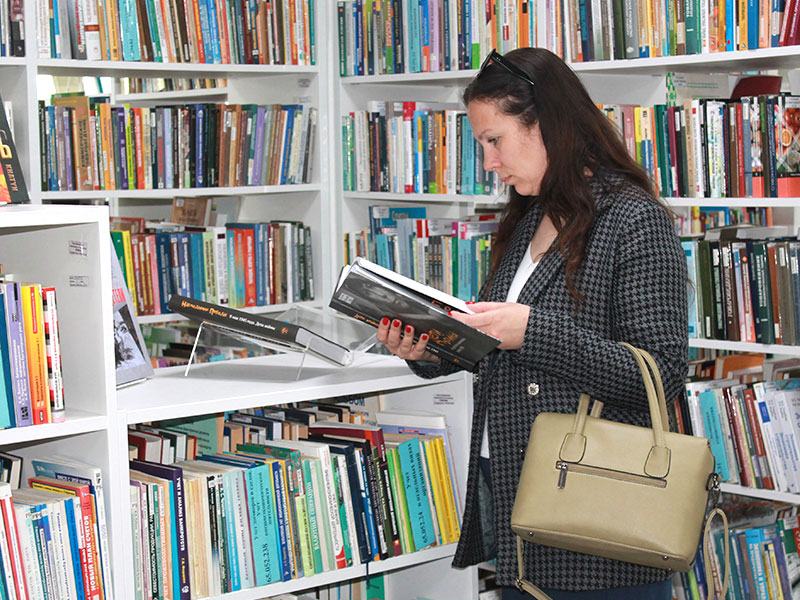
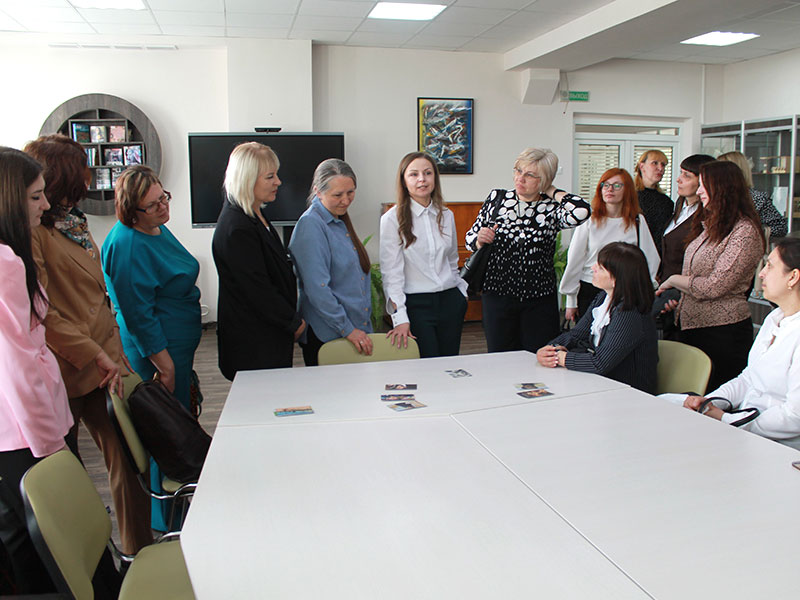
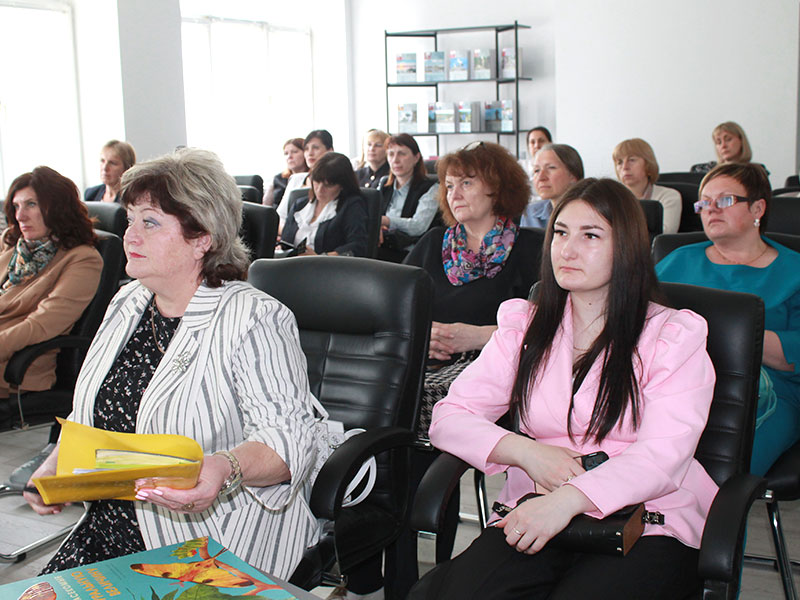
On May 13, the Vitebsk Regional Library opened its doors to the final educational and methodological association of primary school teachers from the Vitebsk region.
As a modern resource centre, the library is able to provide substantial support to teachers in key areas of their professional activity: exchanging experience, establishing teaching cooperation, and developing general academic skills – with a particular focus on fostering students' creative thinking.
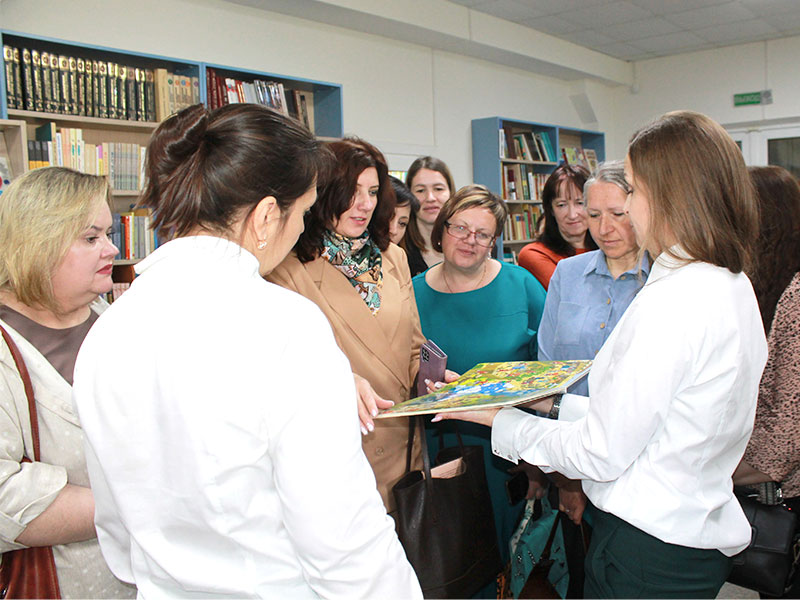
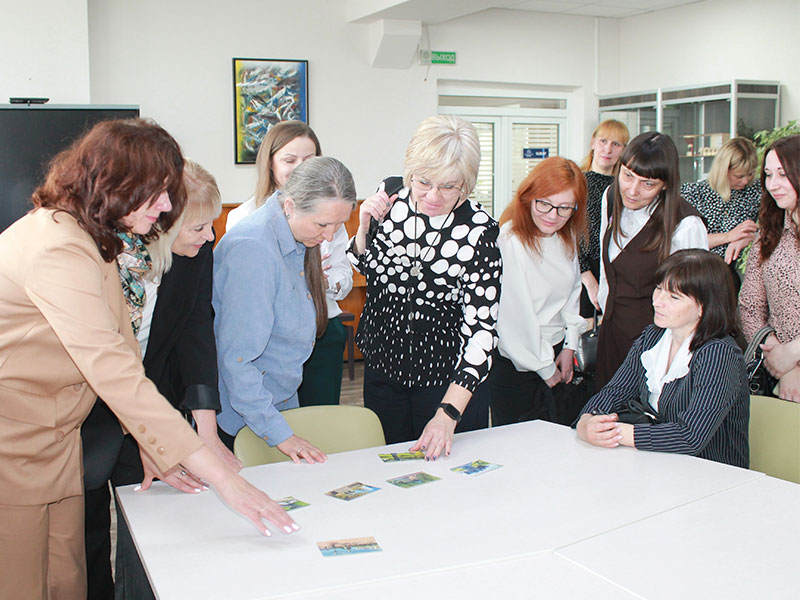
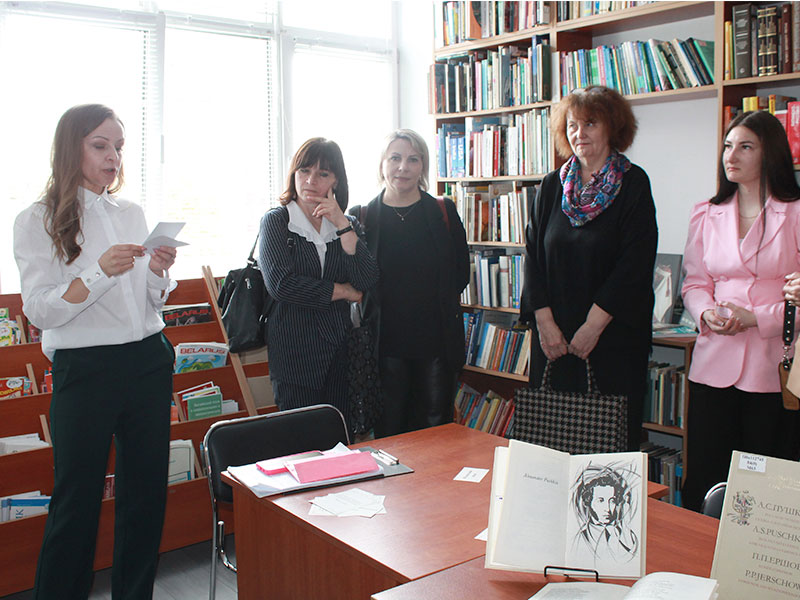
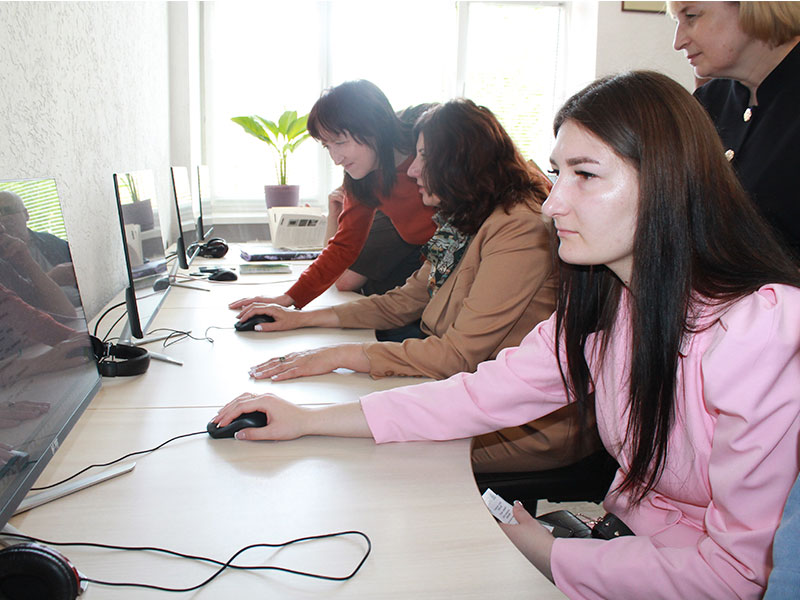
Tatiana Pototskaya, head of the general reading room, guided the teachers on an exciting journey through the library's departments. The unique approach consisted of discovering the library's work through the prism of Alexander Pushkin's legacy, which allowed participants to learn about the rich information resources available to the modern library. Each department found a place to speak about the great poet, while interactive elements made the meeting lively and engaging. The teachers were invited to uncover new facts from Pushkin's life in a playful manner: assemble a biographical puzzle, find the poet among the characters of a Wimmelbuch, and even compete against artificial intelligence.
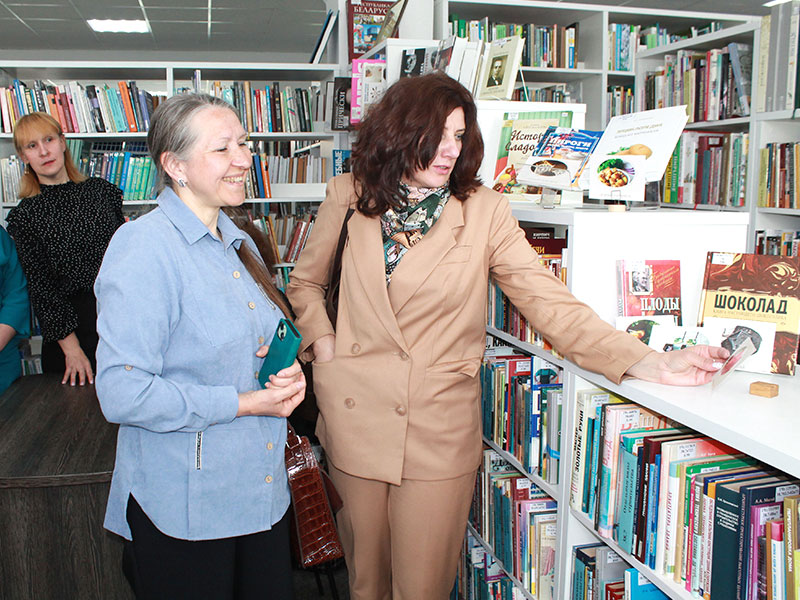
Children's literature plays a crucial role in the education of primary school students. Yulia Dolganova, head of the children's department, presented the guests with books in various formats capable of captivating young readers. Of particular interest was the children's page on the regional library's website, where teachers can find a wealth of useful materials and resources for their work.
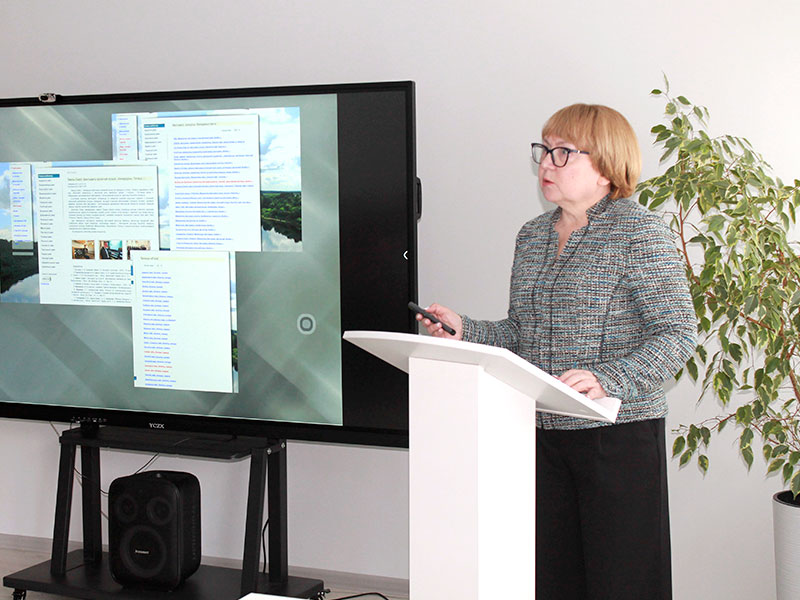
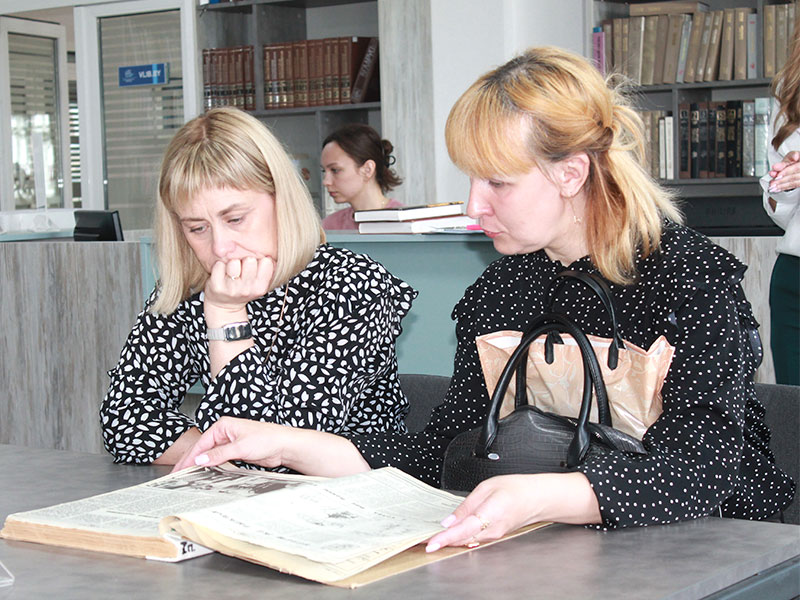
Larisa Rogacheva, head of the local history department, introduced teachers to digital resources on the history of their native land, available on the library's website. She showcased the most popular electronic publications on local history topics, which will become indispensable aids for teachers, enabling them to tell children about the history and culture of the Vitebsk region in an engaging and informative way.
The educational and methodological association served as a platform for constructive dialogue and made it possible to outline new avenues of cooperation between the library and primary school teachers of the Vitebsk region. The participants expressed confidence that such collaboration will contribute to improving the quality of education and the comprehensive development of the younger generation.